Child's Play 3 Turns 35, and the Panic It Was Blamed For
August 24-30, five anniversaries from the week's horror history.
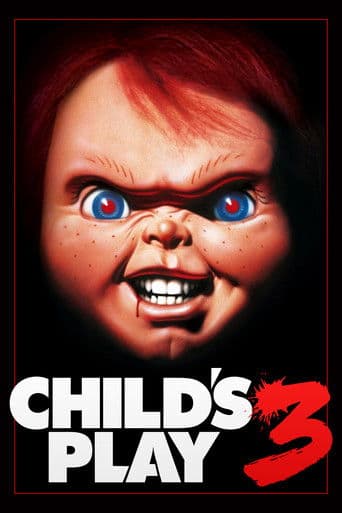
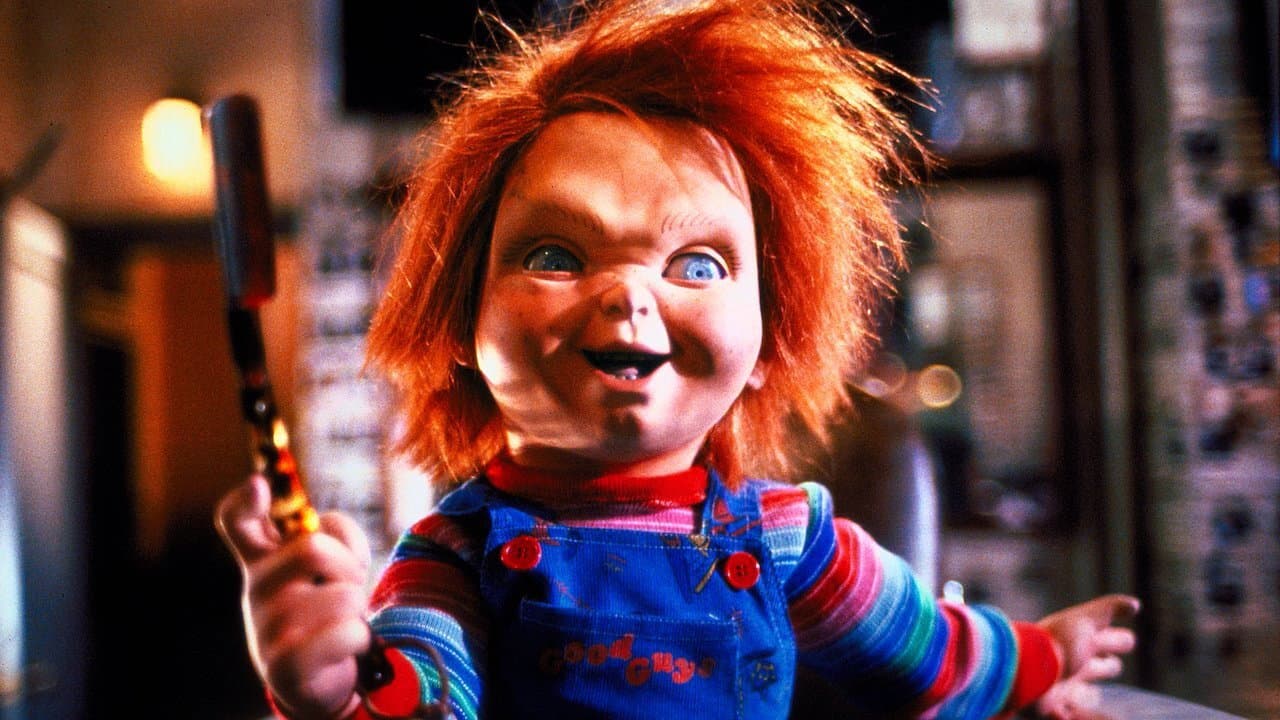
Child's Play 3 turns 35 this week. It opened in US theaters on August 30, 1991, made on a $13 million budget, and it is not remembered for what happens on screen.
At the time, that was the smaller story. Universal's third Chucky film sent the killer doll after Andy Barclay, now a teenager at military school, and critics were unimpressed even by the series' own standards. It holds a 19% score on Rotten Tomatoes, and it closed out its opening run as the lowest-grossing entry in the trilogy, finishing with about $20.5 million worldwide against that budget, per The Numbers. Series creator Don Mancini later called it his least favorite of the films he wrote, saying he had run out of ideas after the second one.
The film's real notoriety arrived 18 months later and an ocean away. In February 1993, two 10-year-old boys in England abducted and killed two-year-old James Bulger. British tabloids, led by The Sun, seized on the detail that one of the boys' fathers had rented Child's Play 3, and ran with the idea that a scene involving the doll and blue paint had inspired the crime. Retailers pulled the trilogy from shelves, and broadcasters in the UK and Spain declined to air it.
The link was never established. Detective Albert Kirby, who led the investigation, found no evidence the boy in question had watched the film at all, and psychiatric assessments described him as disliking horror movies. At sentencing, Justice Morland told the court the killing bore "some striking similarities" to the film and that exposure to violent videos might have played a part, "including possibly Child's Play 3," a remark that gave the tabloid theory judicial weight it hadn't earned. The film itself was never formally banned in Britain.
Thirty-five years on, that is still the reason Child's Play 3 gets talked about. It fed directly into a wider UK panic over home video violence that pushed lawmakers toward tighter classification rules, and it left Chucky in a kind of unofficial exile from British screens for years, over a connection nobody was ever able to demonstrate.
Also this week
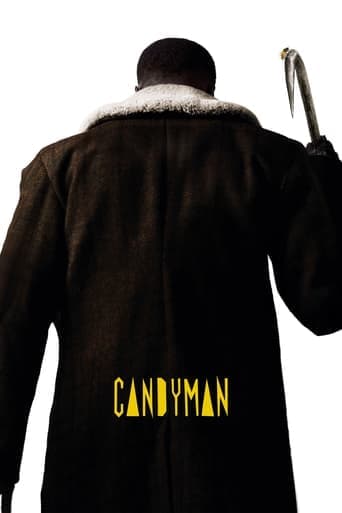
Candyman turns 5 on August 27, the day it finally opened in US theaters.
Nia DaCosta's film had been dated for June 2020 before three separate COVID-19 delays pushed it back more than a year. When it arrived, Universal's $25 million production written and produced by Jordan Peele topped the box office with a $22.4 million weekend, according to Variety, and made DaCosta the first Black woman to direct a film that debuted at number one, per NPR. It went on to gross $77.4 million worldwide, and holds an 83% on Rotten Tomatoes, for a direct sequel that moves its 1992 predecessor's story into a gentrified Cabrini-Green.
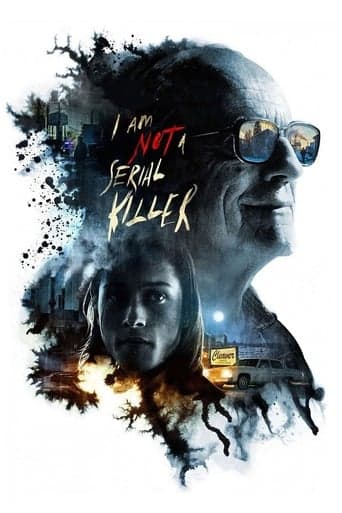
I Am Not a Serial Killer turns 10 this week, released on August 26, 2016.
Billy O'Brien's adaptation of Dan Wells' novel had already premiered at SXSW that March before IFC Midnight released it in theaters and on VOD simultaneously. It stars Christopher Lloyd opposite Max Records as a diagnosed sociopathic teenager hunting a supernatural killer in his small Midwestern town, a pairing critics singled out as the film's core strength even as its late genre swerve divided them.
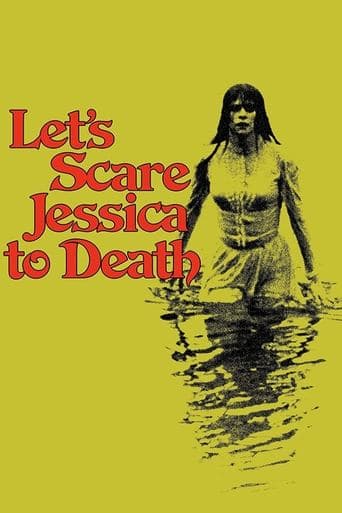
Let's Scare Jessica to Death turns 55 on August 27.
John D. Hancock's $250,000 feature opened to a mixed but genuinely engaged response, with The New York Times' Roger Greenspun calling it "a thinking man's vampire movie." Its reputation has only grown since: the Chicago Film Critics Association ranked it 87th on a 2006 list of the 100 scariest films ever made, and critic Kim Newman included it on his personal ballot for the 2022 Sight and Sound poll, largely on the strength of Zohra Lampert's lead performance.
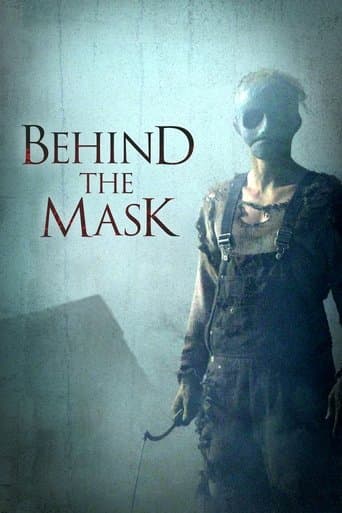
Behind the Mask: The Rise of Leslie Vernon turns 20 this week.
The mockumentary slasher premiered at SXSW in March 2006 and got its first real theatrical release not in the US but in Germany, opening there on August 29. Anchor Bay didn't give it a US release until March 2007. Reviews were strong from the start, 76% on Rotten Tomatoes, and it has held up as one of the more affectionate deconstructions of the slasher formula since.
Five films, five very different afterlives: one a false accusation, one a box office record, one a discovery for the right audience, one a slow-burn cult classic, one an accidental German premiere. Log the ones you've caught, add the rest to your watchlist, and see how the case for each one holds up. More next week.
In this article